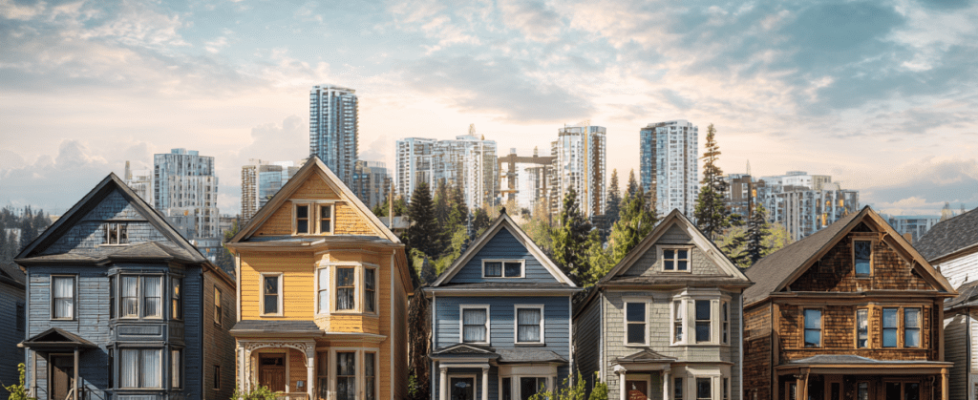
How Accessibility Features Impact Home Values in Seattle
In Seattle, more homebuyers and homeowners are paying attention to accessibility features like step-free layouts and user-friendly designs. These accessible elements can influence how a property is valued, especially as people consider long-term needs and inclusive living. If you’re wondering about real estate values near me or have questions like “what’s my home worth,” understanding the role of accessibility is more important than ever.
- Accessible homes often appeal to a wider range of buyers.
- Inclusive design can support higher demand in neighborhoods.
- Features like step-free entryways and wide halls may positively affect home value in Seattle.
Why Accessibility Features Matter in Seattle Homes
Seattle’s residential market includes a mix of historic homes and modern builds. With changing demographics, more people are looking for homes that are easy to navigate, safe, and able to meet needs as they age. Accessibility features — such as no-step entries, ramps, wide doorways, and spacious bathrooms — can make a home usable for people of all ages and abilities.
How Accessibility Can Influence Home Value
For many buyers, an accessible home is not just convenient; it’s necessary. This broader usability may put upward pressure on property value, especially in neighborhoods where accessible homes are less common. When you list a house with step-free layouts, accessible bathrooms, or other universal design features, it may attract a wider buyer pool, including aging adults, families, and people planning for long-term residency.
Sellers in Seattle who have invested in accessibility may notice stronger interest, especially from buyers looking ahead to aging-in-place. Homes with inclusive features are generally seen as move-in ready for more people, which can support demand and influence home prices compared to similar but less accessible properties.
Popular Accessibility Features That Matter
- Step-free entrances or ramps
- Wide doorways and hallways
- Barrier-free showers and accessible bathrooms
- Lever-style door handles instead of knobs
- Lower countertop heights and accessible kitchen layouts
While adding these features can require investment, many Seattle buyers see long-term value. Even buyers who do not currently need step-free living may prefer homes that are future-ready or easy to adapt.
Long-Term Appeal and Neighborhood Demand
Neighborhoods in Seattle known for accessible housing options may see ongoing demand as the population ages. This demand can help support or improve home value over time. Additionally, more new construction in the region is prioritizing inclusive design, recognizing that these features appeal to buyers seeking longevity and comfort.
When sellers highlight accessibility improvements, it can set their property apart, especially in neighborhoods or subdivisions where such features are rare. This may contribute to neighborhood appeal and be a factor when buyers are comparing property value in Seattle communities.
Conclusion: How Accessibility Supports Home Values in Seattle
For Seattle homeowners and buyers thinking about future needs, accessibility features are more than just a bonus — they may be a smart investment. Whether you’re exploring real estate values near me or thinking about “what’s my home worth,” considering how accessible your home is can be an important factor in both home values and long-term demand in the Seattle market.
