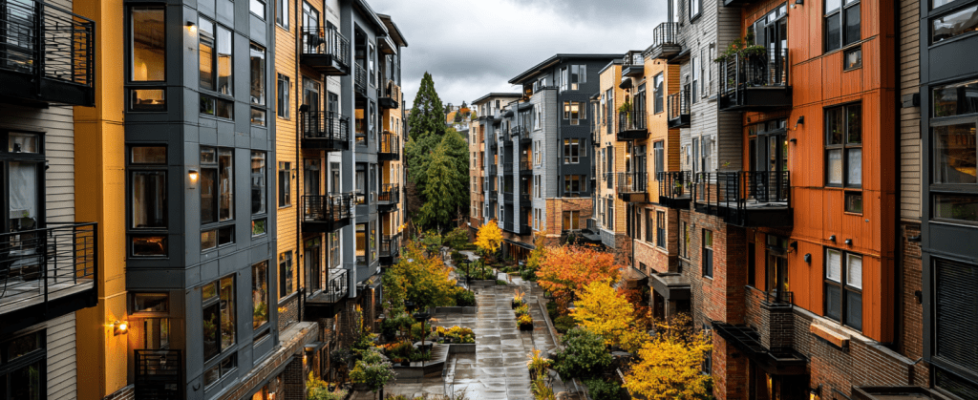
How Future Development Pipelines May Shape Neighborhood Property Values in Seattle
Future development in Seattle is more than a blueprint for new buildings—it can influence what buyers are willing to pay, how sellers plan ahead, and the current appeal of many neighborhoods. For homeowners and those thinking about selling or buying, understanding how upcoming projects may affect real estate values near me and what’s my home worth adds important context to today’s market.
- Planned development can shape neighborhood desirability and long-term value.
- New housing, retail, or parks may affect pricing by changing supply and demand.
- Local buyers and sellers often react early to big future plans.
Understanding Seattle’s Development Pipeline
Seattle’s growth is often in the spotlight, from new apartment buildings in Capitol Hill to mixed-use spaces in South Lake Union. The term “development pipeline” refers to projects that have been announced, permitted, or broken ground but are not yet complete. These future changes may influence a neighborhood’s character, transportation options, and sometimes even school enrollment patterns.
Residents and potential buyers pay close attention to such plans. Even before new properties are built, the anticipation of change can affect both buyer psychology and seller strategies. A planned transit station or retail hub could boost neighborhood interest, while large-scale construction projects may make some buyers hesitate in the short term.
How Future Supply and Reinvestment Affect Home Value
Property value often depends on a balance between housing supply and demand. If a Seattle neighborhood sees several new condo or apartment buildings in the works, the expected increase in supply could put downward pressure on home prices over time. Conversely, redevelopment of old parcels into attractive housing or mixed-use spaces can refresh the area and draw in new buyers, supporting higher property values.
Reinvestment momentum—a series of upgrades, new parks, or improved local amenities—may signal growing appeal. Residents often look at these cues, hoping that new projects will benefit neighborhood quality of life, which can impact both short-term and long-term home prices.
Buyer and Seller Psychology: Planning for Tomorrow
The knowledge that major projects are coming to their neighborhood can affect how Seattle homeowners, buyers, and sellers think about moving. A family might be willing to pay more for a home anticipating better retail, transit, or school options in a few years. Sellers often follow these trends; if momentum feels positive, they may hold off listing until after upgrades are complete, hoping for a price premium.
On the flip side, rumors of high-density development or major construction projects could make some buyers hesitate, bringing more negotiation and longer decision times. The interplay between future plans and current market behavior can be complex, shaping neighborhood demand in subtle ways.
Practical Takeaways for Seattle Homeowners
- Watch local planning boards and neighborhood meetings for early signals about upcoming projects.
- Consider how additional homes or new business spaces could impact the demand for your area.
- Balance the potential upside of new amenities with the competition from increased supply.
- Consult local real estate professionals who track development trends when estimating your property value.
Conclusion: Future Development and Your Home’s Value
For homeowners and buyers in Seattle, plans on the horizon can make as much difference as what’s already built. Understanding how expected development may affect home prices, property value, and overall neighborhood demand helps you make more confident real estate decisions. Whether you’re actively selling, buying, or just watching the market, staying tuned to what’s planned next is one of the best ways to protect and grow your investment in Seattle’s ever-changing landscape.
