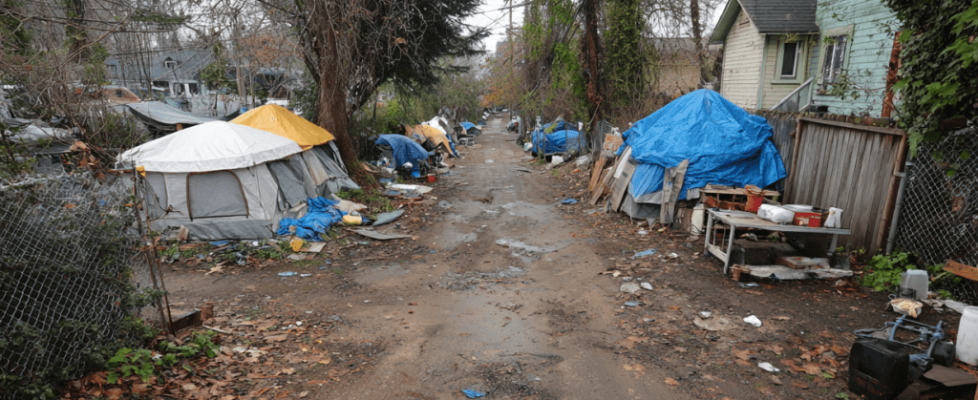
How Homelessness Policy May Influence Seattle Property Values
How a city approaches homelessness often plays a part in the way neighborhoods are seen and can be a factor in local home values. In Seattle, policies to address homelessness may affect the perception of public spaces and influence what buyers and sellers think about a neighborhood. This can lead people to wonder about real estate values near me and what shapes local property value trends.
Understanding how homelessness and related policies interact with the housing market can be useful for anyone looking to find out what’s my home worth or planning a move within Seattle.
- Homelessness responses may shape public space perception and neighborhood confidence.
- Service locations and policy shifts can impact demand in local real estate.
- Potential buyers often pay attention to both neighborhood image and citywide policy signals.
Seattle’s Approach to Homelessness and Neighborhood Perceptions
Seattle is known for having an active public conversation around homelessness and how the city addresses it. Supportive housing, temporary shelters, and outreach services are seen throughout many neighborhoods. For homeowners and potential buyers, the presence and visibility of these services can affect how a neighborhood feels, and sometimes can shape public opinion about safety and order.
How Policy Responses Influence Buyer and Seller Behaviors
The ways in which city policies respond to homelessness—such as providing services or managing encampments—can influence who wants to live in a neighborhood. Many buyers focus on factors like cleanliness of public parks, upkeep of streets, and a sense of confidence in the area. When a neighborhood is well-maintained and thoughtfully managed, demand for homes there may rise. On the other hand, if buyers or sellers feel uncertain about long-term city policy or neighborhood changes, it could affect how quickly homes sell or what price they command.
Service Locations and Real Estate Demand
Where services like shelters or outreach programs are located may shift how some areas are perceived. The balance between supporting vulnerable populations and maintaining a sense of neighborhood confidence is a careful one. Areas with highly visible services may see changes in buyer interest, which could affect local property value or home prices over time, depending on broader market factors. Still, the impact is often complicated and varies from block to block.
Neighborhood Image and Homeowner Strategies
Homeowners in Seattle frequently invest in upkeep, landscaping, and community-building to support their neighborhood’s reputation. For those selling, highlighting a positive neighborhood image—like active block groups or nearby improvements—can help attract buyers who are paying attention to both citywide policy and local conditions.
Conclusion: Policy and Home Values—A Connected Story
The way Seattle addresses homelessness is one of several local factors that may influence residential home value, buyer demand, and neighborhood appeal. While policy shifts and visible services may shape neighborhood perceptions, their long-term effect on home prices and property value will also depend on broader trends and market conditions. For homeowners wondering “what’s my home worth?” or searching for real estate values near me, staying informed about local policy and neighborhood developments can be a practical part of decision making.
