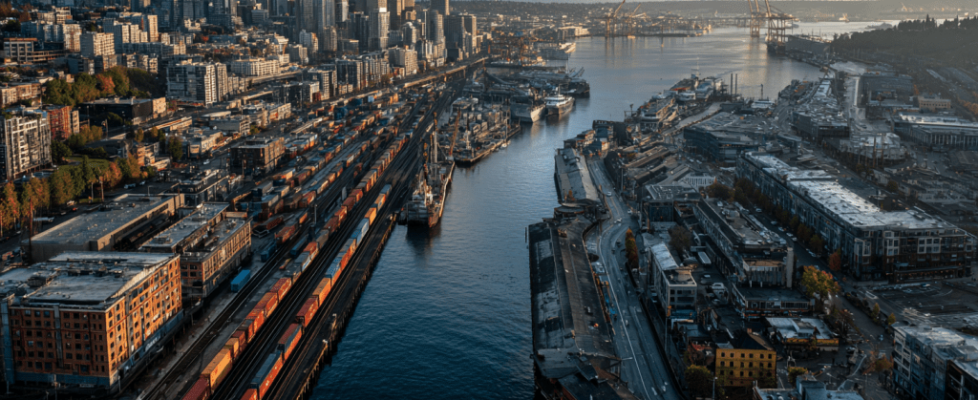
How Resilience Infrastructure Can Support Property Values Near Seattle’s Waterfront
As cities like Seattle address environmental and climate risks, improvements such as seawalls, levees, and upgraded drainage systems are becoming more common. These resilience infrastructure projects may play a role in supporting or stabilizing Seattlle property values for nearby homes, especially in low-lying or waterfront neighborhoods. For buyers or homeowners wondering “what’s my home worth,” understanding these protective measures can be important for long-term confidence and value.
- Infrastructure like seawalls and levees may reduce future flood risk for some Seattle neighborhoods.
- Resilience upgrades can offer peace of mind to current and future homeowners.
- Visible improvements may make certain areas more appealing to buyers and help support local home prices.
Understanding Resilience Infrastructure in Seattle
Seattle’s mix of waterfront, hills, and rainfall patterns makes flood protection a major concern in some areas. Resilience infrastructure refers to features like seawalls along Elliott Bay, levees near the Duwamish River, and improved drainage systems in known flood zones. These upgrades are aimed at lowering the risk of water damage during storms, high tides, or seasonal floods.
How Flood Protection May Influence Home Values
Homes in areas with a lower risk of flooding are often seen as more desirable. When local governments invest in seawalls, levees, or drainage improvements, the perception of reduced flood risk can influence home buyer demand. In some cases, these projects may help support or even increase real estate values near me for properties close to the waterfront or in previously flood-prone neighborhoods. Buyers who feel more confident that a property is protected are often more willing to pay for that peace of mind.
Long-Term Confidence for Homeowners and Buyers
Knowing that a home is protected by strong infrastructure against flooding may help owners feel more secure in their investment, regardless of short-term shifts in home prices. For buyers in Seattle, being near a recently improved seawall or upgraded drainage system can often boost their confidence, possibly making a property stand out compared to areas without these protections. Sellers may see increased interest in homes that are well-protected by public projects.
Neighborhood Appeal and Future-Proofing
Neighborhoods that invest in resilience infrastructure may appear more appealing to both new buyers and long-term residents. For example, a neighborhood along Seattle’s coastline that benefits from a new seawall may attract people who want to enjoy the waterfront lifestyle without as much worry about property value loss from major storms or flooding events. Over time, these improvements can help stabilize or even boost property value, especially as climate risks become a bigger topic in Washington real estate markets.
Conclusion: Paying Attention to Local Protections
While no upgrades offer total protection from natural events, investments in seawalls, levees, and stormwater systems may help neighborhoods in Seattle guard against the impacts of flooding. Over time, these visible efforts can increase buyer confidence and help support home value stability. Whether you’re researching what’s my home worth or thinking about a future move, understanding how resilience infrastructure may affect property value gives you a practical edge in Seattle’s evolving market.