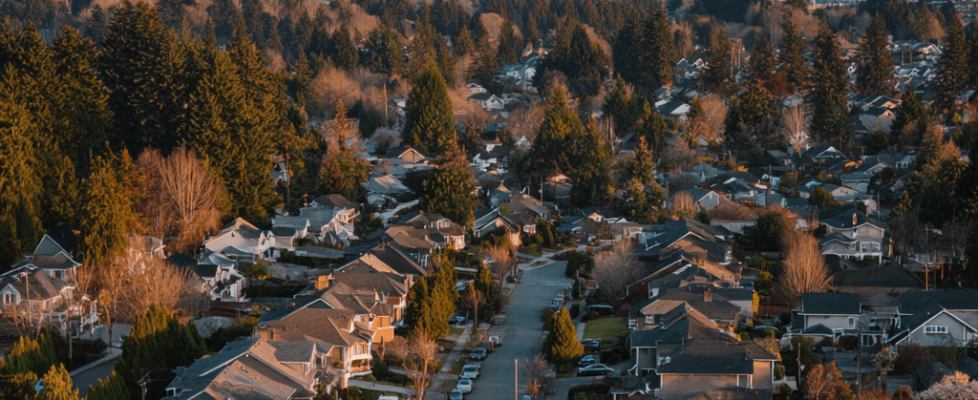
How Urban Growth Boundaries May Influence Property Values in Seattle
Urban growth boundaries (UGBs) are planning tools used by cities like Seattle to limit outward expansion. This approach can concentrate development within existing neighborhoods and may have important effects on home prices and property values nearby. If you are curious about real estate values near me or wondering what’s my home worth, it’s helpful to understand how UGBs work and what they could mean for buyers and sellers in the area.
- Urban growth boundaries limit where new homes can be built
- Restricted land supply may increase values in existing neighborhoods
- Buyers and sellers often watch these boundaries for future planning
What Are Urban Growth Boundaries?
An urban growth boundary is a line drawn outside city limits where development is either restricted or limited. The main idea is to prevent cities like Seattle from spreading too far out into rural or natural areas. UGBs are created to control sprawl, protect open space, and promote smarter use of land already within the city. For residents, this tool can shape how and where new homes, stores, and parks are located.
How Urban Growth Boundaries May Affect Seattle Home Values
When a city like Seattle restricts its outward expansion, the land inside the boundary often becomes more valuable over time. With less buildable land available, competition can increase among buyers looking for homes in existing neighborhoods. This kind of development pressure may put upward pressure on home prices and boost the property value of nearby homes. Homeowners inside a UGB sometimes benefit if demand stays strong since buyers cannot simply look farther outside the city for more choices. However, these effects can depend on changing market conditions and local demand.
Scarcity and Development Pressure in Seattle
Because UGBs create a defined limit, owners of land and homes already inside the boundary may see their properties become more desirable—especially when the supply of new homes is tight. Builders and developers must often work within existing neighborhoods, which can mean renovations or denser housing in some areas. This scarcity may support higher home values in Seattle, particularly where neighborhoods are popular or close to jobs and services.
What This Means for Buyers and Sellers
If you are buying a home in Seattle, knowing where the urban growth boundary is could help explain why prices differ between areas. Homes closer to downtown or within the UGB may cost more because future development options are limited. Sellers may find that high demand within these boundaries can support stronger pricing. Both buyers and sellers should keep these planning boundaries in mind when looking at Seattle’s home value trends, but remember that other factors—like the economy and interest rates—also play a role.
Conclusion: Watching the Boundaries in Seattle
Seattle’s use of urban growth boundaries may help keep neighborhoods compact and can influence home prices by making existing properties more scarce. While not the only factor that affects real estate values near me or home value, these boundaries are important for homeowners and buyers to understand. Watching how planning rules like these evolve can give insight into property value trends now and in the future.
