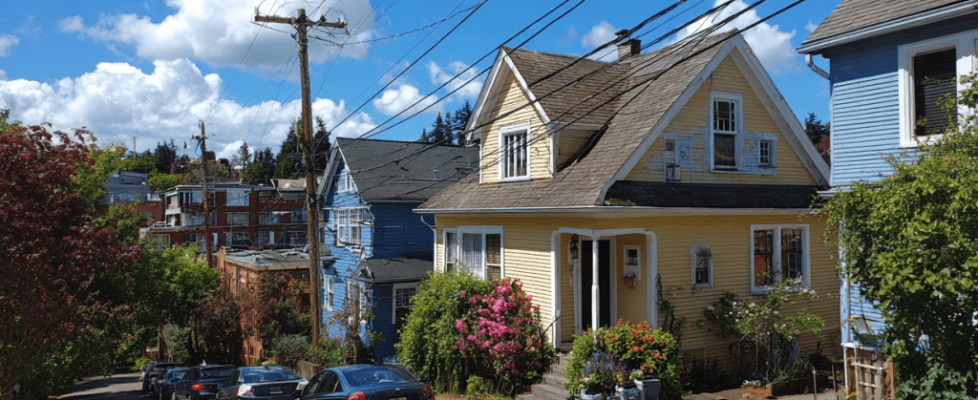
How Walkability Affects Property Values in Seattle
Walkability is a growing factor for many people looking to buy homes in Seattle, and it may put upward pressure on property values in neighborhoods where shops, restaurants, schools, and daily errands are all easily reached on foot. For buyers asking, what’s my home worth or searching for real estate values near me, walkability often plays a key role in both livability and resale demand.
- Walkable neighborhoods often see higher buyer demand in Seattle
- Being close to amenities may support stronger home prices
- Less dependence on cars can appeal to both buyers and long-term residents
Why Walkability Matters in Seattle Real Estate
Walkability means that you can get to stores, cafes, schools, parks, or public transit stops easily on foot. In Seattle, neighborhoods like Capitol Hill, Ballard, and Fremont are known for being more walkable, making daily life more convenient for residents. This easy access to amenities can be a big draw for homebuyers who want to spend less time in their cars and more time enjoying their community.
How Walkability May Influence Home Values
A neighborhood that is easy to walk can often support higher property values. Buyers may be willing to pay more for homes where their favorite restaurants, coffee shops, or daily necessities are just a short stroll away. This demand may help stabilize — or even raise — home prices in such areas. People moving to Seattle, or local homeowners considering, “what’s my home worth,” may find that walkability can be a selling point that puts their property in higher demand compared to less connected neighborhoods.
Convenience and Daily Livability
For many Seattle residents, being able to walk to grocery stores, schools, parks, or transit stops is not only convenient — it can also make everyday life less stressful and more enjoyable. This daily ease may support greater buyer interest, especially among those who want to limit driving or who value a strong sense of community. Reduced car dependence may also appeal to those looking for a more sustainable lifestyle, something that can influence home value trends over time.
What Walkable Neighborhoods Offer Buyers and Sellers
- Easier access to errands and entertainment
- Potentially lower transportation costs
- Greater sense of community and neighborhood interaction
- Potential for higher buyer competition, which may support stronger property values
Conclusion: The Ongoing Value of Walkability
While no single factor guarantees an increase in home prices, walkability in Seattle neighborhoods may influence buyer demand and support higher property values over time. For homeowners, buyers, and sellers alike, understanding how walkability affects your neighborhood is a smart step when considering your home value or when researching real estate values near me. As Seattle continues to grow, walkable areas are likely to remain attractive for many buyers and may play an important role in property value trends across the city.
