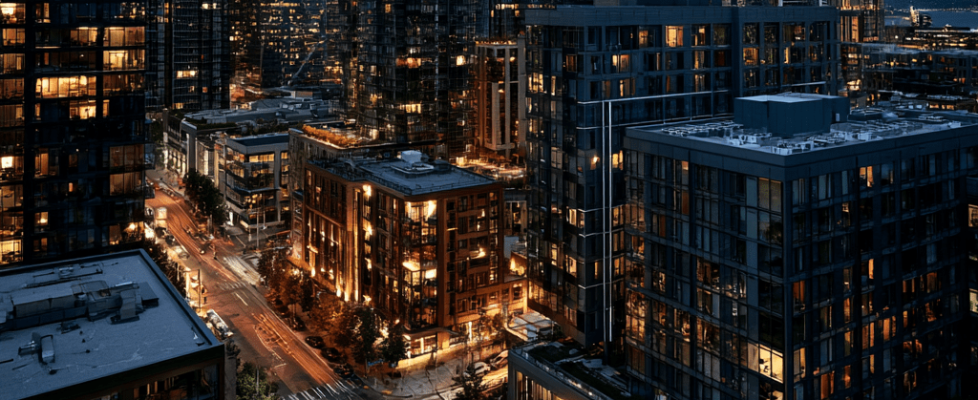
How Retail Walkability Can Influence Property Values in Seattle
The ability to walk to retail shops, grocery stores, and daily services is a major convenience that often matters to Seattle homebuyers and homeowners. In many neighborhoods, strong retail walkability may support higher home values and may put upward pressure on property prices over time. Homeowners and buyers frequently ask, “what’s my home worth?”—and being within easy reach of shopping can be a key factor in that answer, especially in a city like Seattle.
- Retail walkability is often linked with higher neighborhood appeal.
- Access to shopping and daily services can boost buyer demand.
- Reduced reliance on driving may be a selling point for many Seattle residents.
- Walkable areas often support neighborhood activity and vibrancy.
Why Retail Walkability Matters in Seattle
In Seattle, walkability is more than just a buzzword—it can shape daily life for families, professionals, and retirees alike. Having grocery stores, coffee shops, pharmacies, and restaurants within a short stroll may save residents time and reduce the need for frequent car trips. In many established Seattle neighborhoods, this everyday convenience is one factor that can make a property more desirable to a wider range of buyers.
How Walkable Retail Access Can Affect Home Prices
For those considering selling or buying in Seattle, it’s common to look at whether shopping and services are easily reachable on foot. Homes near vibrant retail corridors—like those in Ballard, Capitol Hill, or Green Lake—may attract more attention and sometimes receive higher offers, in part because of their convenient locations. While many factors affect property value, nearby amenities can influence buyer demand and may help support stronger pricing over time.
Everyday Convenience Can Drive Buyer Interest
For buyers, not needing to drive everywhere is a real lifestyle benefit. Whether it’s grabbing a coffee on the way to work or quickly picking up groceries, walkable retail means less time in traffic and more time enjoying the neighborhood. This heightened appeal can sometimes translate to increased home prices, especially in a city where walkable living fits many lifestyles. For sellers, homes with high walkability may stand out in a competitive market.
More Than Just Convenience: Community and Activity
Walkable neighborhoods often feel more connected and lively. Frequent foot traffic can encourage new businesses, community activities, and events. This neighborhood vibrancy may be especially appealing in Seattle’s close-knit communities, providing another practical advantage for those buying or selling in walkable areas. Over time, these qualities can help uphold or increase home value even as market conditions change.
Thinking About Selling or Buying in a Walkable Area?
Walkability—especially around retail and daily services—may be an important factor in Seattle’s evolving real estate market. While each home’s value depends on many things, easy everyday access to shopping and amenities can often support steady buyer demand and help properties maintain their appeal. If you are curious about the potential impact on your home’s value, considering local retail walkability can be a wise step as you review your options.
