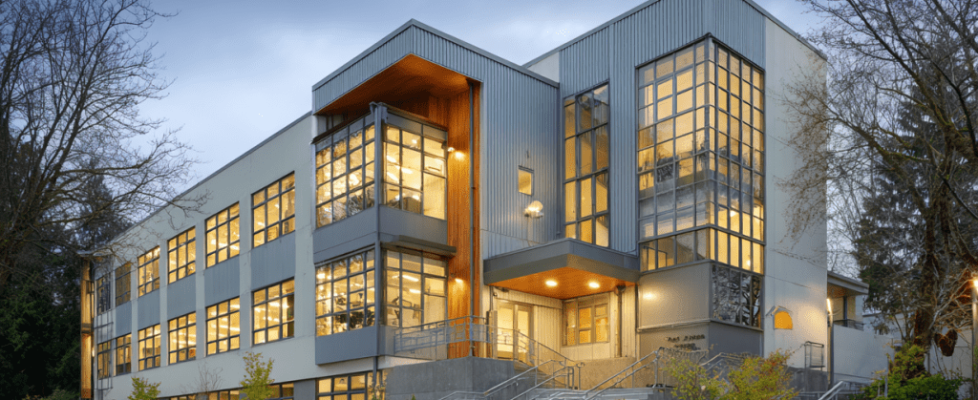
How Seattle’s Civic Center Projects May Influence Downtown Home Values
In Seattle, new civic center developments—like government campuses or cultural buildings—can have notable effects on the residential property landscape. These public investments often reshape activity levels and neighborhood identity, two factors that may influence home value trends. For homeowners and buyers asking about real estate values near me or wondering what’s my home worth, the impact of new civic spaces in downtown can be an important part of the bigger picture.
- Civic center developments may attract new residents and amenities to downtown Seattle.
- Public investment can change daily activity patterns and boost neighborhood appeal.
- Effects on home values are influenced by design, accessibility, and local demand.
Understanding Civic Center Development
Civic center projects in Seattle often include city halls, libraries, courts, parks, convention centers, or even museums. These developments go beyond just adding new buildings—they can act as anchors, bringing together culture, government services, and public gathering spaces. When placed downtown, such projects can shift how residents use the area, boost foot traffic, and support daytime and evening activities.
Public Investment and Local Activity
Public investment in civic centers can attract a range of activities—from daytime work and commerce to weekend events. As these areas become busier, demand for nearby housing may rise, especially among people who value being close to public events, jobs, and city services. Increased local activity can also encourage restaurants, shops, and community programs to move in, which might boost neighborhood vibrancy and walkability—features frequently associated with positive impacts on property value and home prices over time.
Neighborhood Identity and Community Appeal
When a civic center is thoughtfully designed, it can create a stronger sense of place. A unique identity, shaped by signature architecture and welcoming public spaces, often attracts new residents who want to live in vibrant, connected neighborhoods. On the other hand, some buyers might consider potential noise, traffic, or crowds. Homeowners could see increased demand if the area grows in popularity, but should also weigh changes in atmosphere and daily patterns when evaluating their property value.
Potential Effects on Downtown Seattle Home Values
While every project is different, improved public amenities and increased activity may put upward pressure on home values in nearby areas. However, impacts can vary based on how well the space fits into Seattle’s downtown, design quality, and resident preferences. It’s important to remember that while a new civic campus can support demand, local property value changes usually depend on a mix of market conditions, buyer interest, and broader economic factors. For those closely following home prices in downtown Seattle, keeping an eye on proposed civic developments may offer insight into future trends.
Conclusion
Seattle’s civic center investments have the potential to shape downtown neighborhoods and influence home value over time. As public spaces attract more activity and support urban vibrancy, residential property value in nearby areas may be affected—sometimes positively, sometimes with new considerations for residents. For a clearer picture of real estate values near me or a personalized answer to what’s my home worth, staying informed about civic developments is a useful part of the homeownership journey in Seattle.
