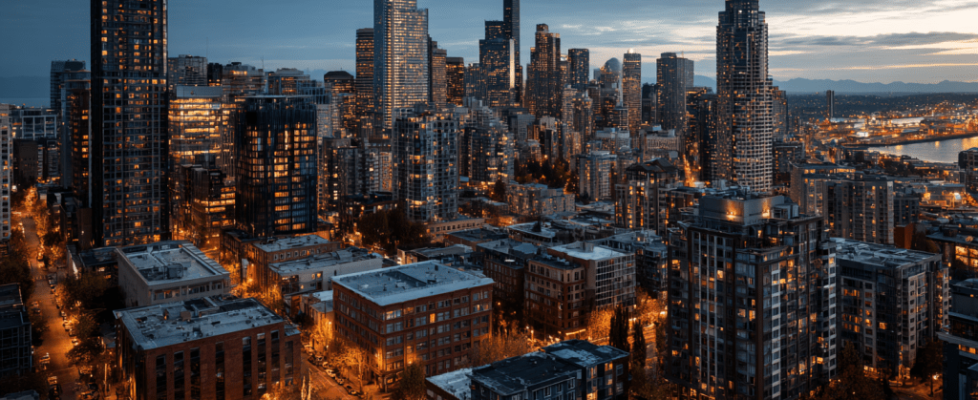
How Slow Population Growth and Rising Inventory May Affect Seattle Home Prices
Seattle’s housing market is experiencing two important shifts: a slower rate of population growth and an increase in the number of homes for sale. These changes could have meaningful effects on real estate values near me and influence both buyers and sellers who want to understand what’s my home worth.
Understanding how supply trends interact with demand in Seattle is key to predicting where home prices could go next. Let’s look at what this combination may mean for residential property values.
- Slower population growth can lead to softer buyer demand
- More homes for sale often means greater competition among sellers
- Combined, these trends may slow down home price appreciation
- Homeowners may need to adjust expectations on property value growth
Seattle’s Changing Population Growth
For years, Seattle was known for its rapidly growing population, which helped fuel demand for housing all around the city. Recently, however, population increases have begun to slow. Fewer new residents moving into the area can reduce overall demand for homes, which may affect everything from buyer urgency to how quickly properties sell.
Rising Inventory: More Homes on the Market
While demand has softened, the number of homes listed for sale—often called “housing inventory”—has grown. When there are more homes to choose from, buyers may become more selective and take more time to make decisions. Sellers might notice their homes stay on the market longer, or they may find themselves pricing more competitively to attract offers.
How These Trends Work Together
When slower population growth meets higher inventory, the balance between supply and demand can shift. With more homes on the market and fewer new buyers, price growth tends to moderate. This doesn’t mean home prices will automatically fall, but it may reduce the likelihood of sharp increases that the city has seen in previous years.
Impact on Homeowners and Buyers
For current homeowners, these trends may mean a slower rate of property value growth in many neighborhoods. People looking to sell could face more competition, which might require them to adjust price expectations or make their homes stand out through upgrades or better presentation. For buyers, increased inventory can mean more choices and potentially better negotiating positions, especially in areas seeing the biggest increases in homes for sale.
Why Monitoring Both Supply and Demand Matters
It’s important not to look at rising inventory by itself. If the local population isn’t growing as fast, simple increases in the number of homes listed may not lead to rapid price changes. Instead, both buyers and sellers should keep an eye on whether the supply of available homes is in balance with the number of people wanting to move into Seattle. This ongoing balance is what often drives home value trends and shapes whether neighborhoods see steady, rapid, or slow appreciation.
Conclusion: What to Expect in the Seattle Market
As Seattle sees slower population growth and more homes for sale, owners and buyers should be prepared for a market that is more balanced than in the past. Home prices may still rise, but likely at a slower pace. Monitoring local supply and demographic demand is the best way to understand how shifts could impact property value in your neighborhood. If you’re curious about your own home prices or the latest property value trends, keeping up with both supply and demand factors is smart for making informed decisions in today’s Seattle market.